Use NAHB Resources to Protect Workers from Heat and UV Exposure

As NAHB recognizes UV Safety Awareness Month in July, it is important for home builders and general contractors to educate workers about the potential risks associated with ultraviolet (UV) radiation and have plans and resources in place to keep them safe on the jobsite.

Why UV Awareness Matters


Ultraviolet radiation can come from both natural and artificial sources. The sun is the main source of exposure for most people, and specifically those working in construction. Overexposure of UV radiation can lead to serious health issues, including sunburn, skin cancer, premature aging, and eye damage. UV Awareness Month serves as a timely reminder to protect workers against these risks.


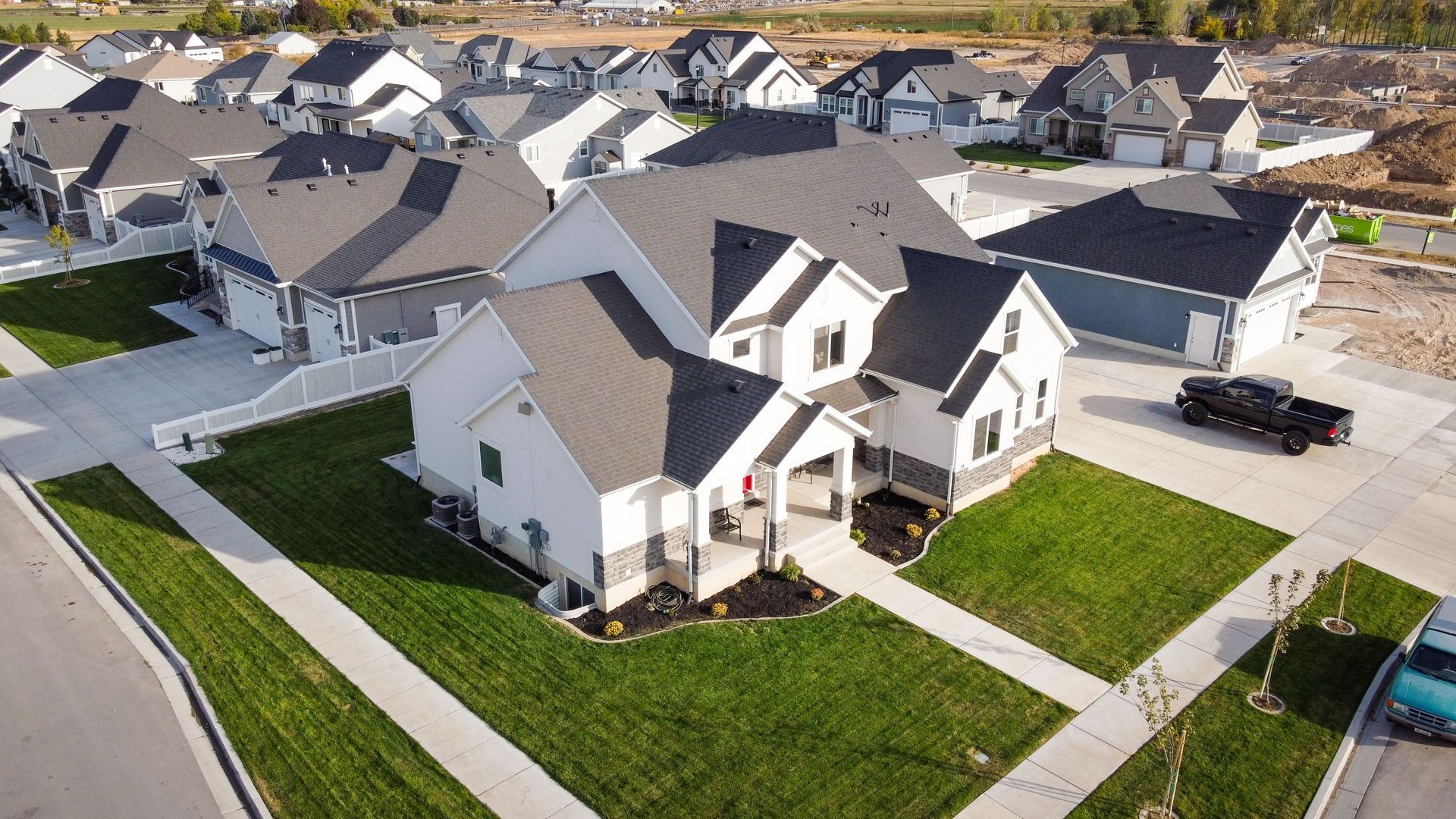
UV protection is especially important in residential construction, as much of the work is conducted outdoors before a home is completely sealed in.


Practical Tips for UV and Heat Stress Protection


UV intensity is typically at its strongest and temperatures begin to climb during the summer. Workers can better protect themselves from sun and UV exposure with the following recommendations:


  • Wear sunscreen with a minimum of SPF 15 and apply it to all uncovered skin, especially your nose, ears, neck, hands, feet, and lips. Reapply every two hours or more often depending on the level of activity.
  • Avoid extensive periods in the sun, seek shade as needed and limit time in the sun between 10 a.m. and 4 p.m. when UV rays are the most intense.
  • Wear protective clothing that covers your arms and legs. Wide-brimmed hats and sunglasses with UV protection are also crucial.
  • Review the UV index before the beginning of each shift.
  • Avoid artificial UV sources, including tanning beds, lasers, mercury vapor lighting, halogen, and fluorescent lighting.
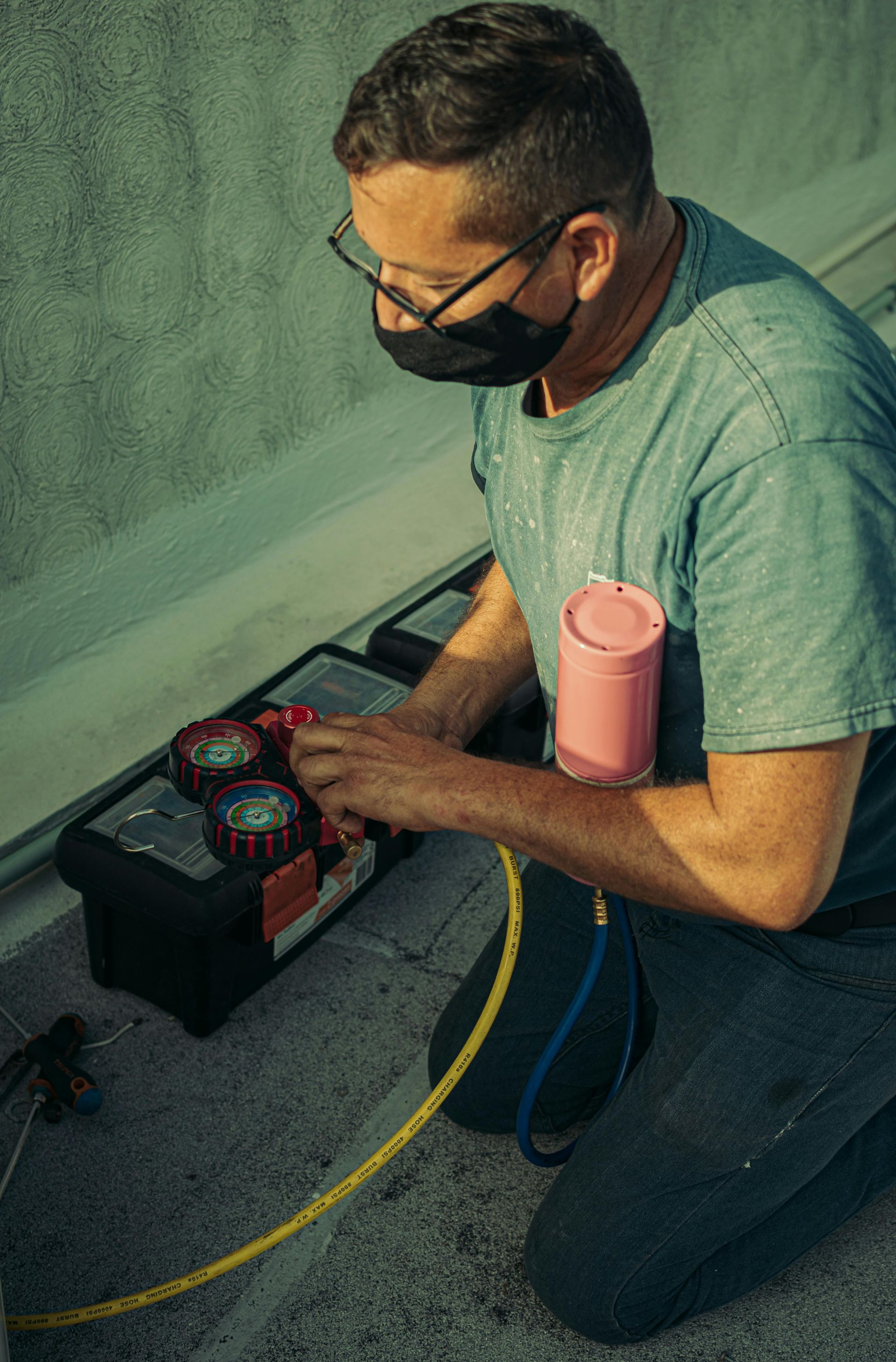
  • Understand basic first aid and heat stress response measures, which can be found in NAHB’s Video Toolbox Talk on heat stress safety and on the NIOSH website.


Spreading Awareness to Workers


Understanding the basics of sun safety can help prevent injuries and illnesses. More information on what employers and workers can do to stay safe can be found in NAHB’s Heat Stress Safety Toolkit.

SHARE

By Jami Clevenger July 8, 2026
The U.S. Department of Housing and Urban Development announced 14 policy changes to its Federal Housing Administration (FHA) Single Family mortgage insurance program aimed at lowering costs, easing regulatory burdens, and improving affordability for Americans using FHA-insured mortgages. The updates remove outdated requirements, cut administrative burdens, and make FHA financing more efficient for home buyers and lenders. The changes affect FHA policies from mortgage origination through servicing and quality control, including: Streamlining Appraisal Field Review Requirements , reducing quality control requirements that average $425 per field review. The change is expected to save industry partners about $3.3 million annually while better aligning FHA with other programs. Expanding Flexibility under the Limited 203(k) Rehabilitation Mortgage Insurance Program , by allowing more contractor draw requests and making home rehabilitation projects easier to complete. Modernizing FHA Mortgagee Approval and Quality Control , including a permanent exemption for early payment defaults caused by natural disasters from required quality control review samples. This will help reduce mortgage costs, expand borrower access, and support smaller lenders’ participation in the FHA program. Eliminating the Duplicative Requirement for Lenders to Use the Important Notice to Homebuyers Form 92900-B , simplifying the closing process. Clarifying Loss Mitigation Requirements Governing Trial Payment Plans , to protect the FHA Mutual Mortgage Insurance Fund, prevent abuse, and ensure proactive borrowers are not penalized.
By Jami Clevenger July 1, 2026
While supply concerns are still weighing on housing affordability, a combination of soaring prices and economic uncertainty is dragging on housing demand, according to the annual State of Nation’s Housing report from the Harvard Joint Center for Housing Studies (JCHS).
By Jami Clevenger September 25, 2025
The heating and cooling industry is undergoing a significant transformation as new Environmental Protection Agency regulations take effect to combat climate change. Here's what you need to know about the upcoming refrigerant changes and how they may impact you. What's Changing? Beginning January 1, 2025, manufacturers can no longer produce new HVAC systems using R-410A refrigerant, the most common cooling agent in residential air conditioners and heat pumps. This phase-out is part of the American Innovation and Manufacturing (AIM) Act, which aims to reduce greenhouse gas emissions by transitioning away from high Global Warming Potential (GWP) refrigerants. R-410A has a GWP of 2,088, meaning it contributes significantly to climate change when released into the atmosphere. The new regulations require all refrigerants in new systems to have a GWP of 700 or less. The New Refrigerants Two environmentally friendly alternatives are replacing R-410A: R-454B (Opteon XL41 or Puron Advance): Provides up to a 78% reduction in global warming potential while maintaining similar cooling performance to R-410A. Most major manufacturers including Carrier, Trane, and Lennox have chosen this as their primary replacement. R-32: Offers up to 12% better efficiency than R-410A systems and has a GWP of approximately 675. Daikin and some other manufacturers have selected R-32 for certain applications. Impact on Homeowners If you have an existing system: You can continue using your current HVAC system without any immediate changes required. Existing equipment is not subject to EPA regulations and can continue to be used through equipment end-of-life. R-410A will remain available for servicing existing systems, though supplies may become more expensive over time. If you're buying a new system: Systems manufactured before January 1, 2025, can still be installed through December 31, 2025, giving consumers a one-year transition period. However, new EPA-compliant systems are expected to cost at least 20% more than current models due to advanced technology and manufacturing requirements. Safety Considerations The new refrigerants are classified as A2L, meaning they have low toxicity but are mildly flammable—much less so than propane or natural gas. New systems include advanced leak detection sensors that automatically shut off the unit and activate ventilation if a leak is detected. Benefits of the Transition Beyond environmental protection, the new refrigerants offer several advantages: Potential utility bill savings of 5-10% due to improved energy efficiency EPA estimates this transition will result in emissions reductions equivalent to up to 876 million metric tons of carbon dioxide from 2025 through 2050 Long-term cost savings through reduced energy consumption Planning Ahead While there's no immediate need to replace functioning systems, homeowners should consider their options carefully. If your current system is aging or inefficient, upgrading before 2025 might offer cost savings, while waiting allows you to invest in the latest environmentally friendly technology. HVAC contractors are receiving specialized training to safely handle the new refrigerants, ensuring professional installation and service continue without interruption. For more information about how these changes might affect your specific situation, consult with a qualified HVAC professional who can assess your current system and discuss your options.
Show More